

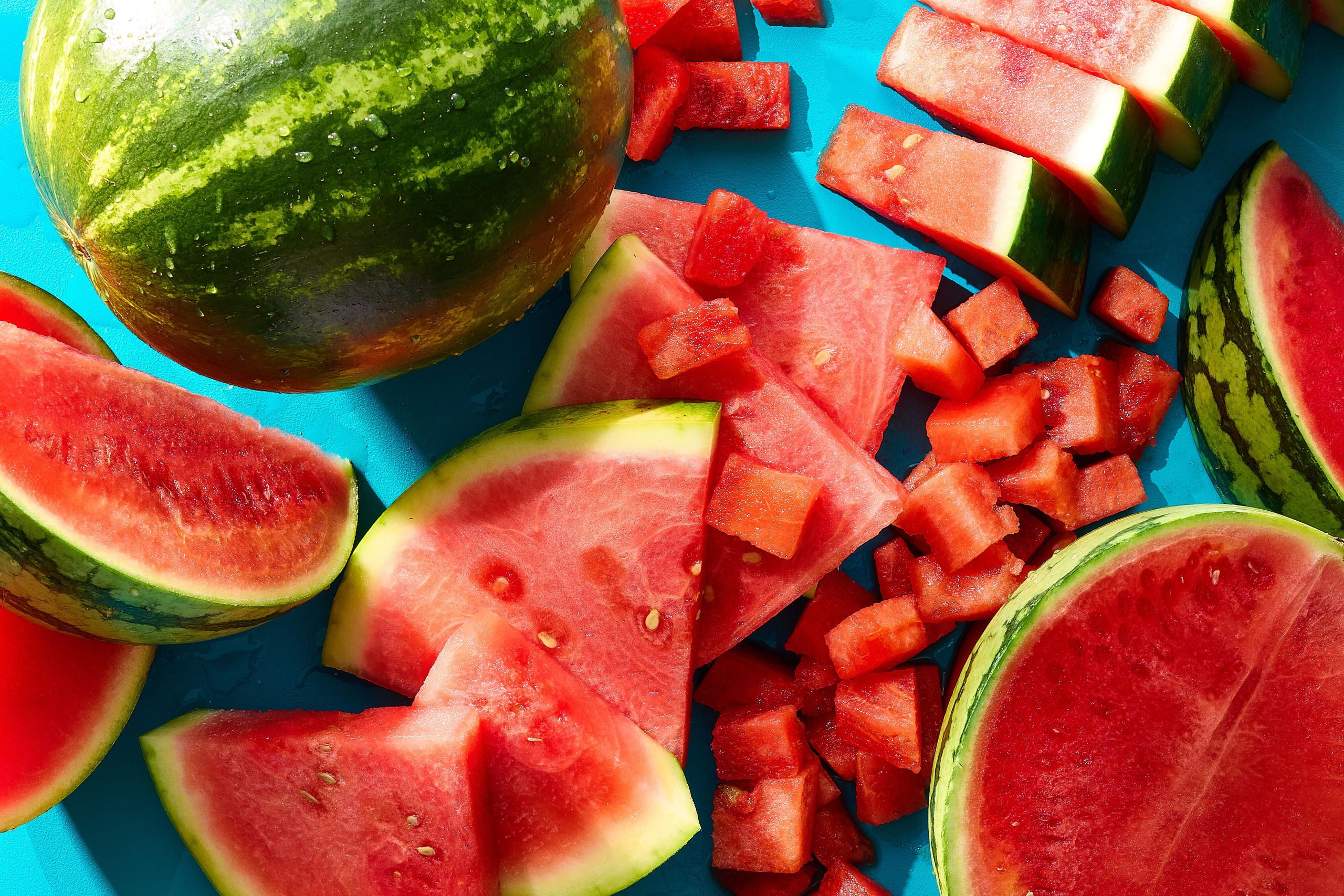

The watermelon diet is one of the latest trends taking over TikTok and Instagram. At first glance, it sounds like a dream—refreshing, sweet, low in calories, and easy to follow. But like most viral cleanses, it doesn’t hold up under closer scrutiny. Let’s break down what the watermelon diet is, its short-term benefits, the long-term risks, and what a registered dietitian actually recommends instead.
This diet involves eating mostly, or only, watermelon for a few days—typically between three and seven. There are a couple of versions floating around:
A mono-meal version where you eat only watermelon three to five times a day
A modified version where you start with watermelon and slowly add lean proteins and vegetables
It’s often promoted as a detox, bloat eliminator, or fat-burning reset. But while it may feel light and healthy at first, it’s not a sustainable or nutritionally sound plan.
Before we completely dismiss it, watermelon does have some great benefits when eaten as part of a balanced diet. Per one cup, it provides:
92% water, which helps with hydration
Around 46 calories
Vitamin C, which supports your immune system and skin
Lycopene, an antioxidant that helps protect your heart and may lower cancer risk
Citrulline, an amino acid that may improve blood flow and reduce blood pressure
Watermelon is excellent as a snack or dessert, but problems arise when it becomes your only food source.
In the short run, some people do feel better. You might experience:
A feeling of being refreshed and hydrated, especially in hot weather
Less bloating and a quick drop in water weight
Simple structure—no meal planning or calorie counting
A fun treat during activities like Pickleball, where my group makes a watermelon hydration drink to cool down
These effects usually only last a day or two.
Stay on this plan too long, and the downsides pile up:
It lacks protein, fats, iron, B vitamins, and fiber, which are all essential for energy and health
It’s high in natural sugars, which may spike blood sugar
There’s a real risk of muscle loss from lack of protein
Many people feel tired and irritable from unstable blood sugar
Overeating watermelon can lead to digestive problems like diarrhea
Extreme diets don’t deliver long-term results. The watermelon diet is no exception.
For healthy adults, one to three days may be safe. But going beyond that increases the risk of deficiencies and health issues. The watermelon diet is not recommended for:
People with diabetes (due to its sugar content)
Children or adolescents
People with kidney disease or other chronic conditions
Even if you lose a few pounds during the cleanse, most of it is water—not fat. And unfortunately, that weight usually comes back.
Around 60% of the weight lost returns within a week or two
83% of people on fad diets gain back more than they originally lost
Your metabolism may slow down due to muscle loss and calorie restriction
Many people feel intense cravings after the diet, leading to binge eating or poor food choices
Instead of going to extremes, try these simple, sustainable habits:
Eat watermelon as a refreshing snack or dessert
Pair it with healthy fats or proteins like almonds or feta
Build your meals with fiber-rich veggies, whole grains, and lean proteins
Drink water consistently throughout the day
Move your body regularly—walk, lift weights, do what you enjoy
If you’re active and looking for a natural way to rehydrate, try this unprocessed watermelon drink:
2 cups watermelon
Juice and pulp of 1 lemon
1 cup coconut water (look for lower sugar options)
1 cup filtered water
A pinch of Celtic sea salt
Blend it all until smooth. It’s a great post-workout drink and a healthy way to enjoy watermelon without overdoing it.
The watermelon diet promises fast results, but it’s not built for long-term health. Like seedless watermelon, it looks good on the outside but doesn’t plant the seeds of lasting change. Focus on consistency, balance, and nourishment. Use watermelon as part of a varied and satisfying diet—not the whole plan.