

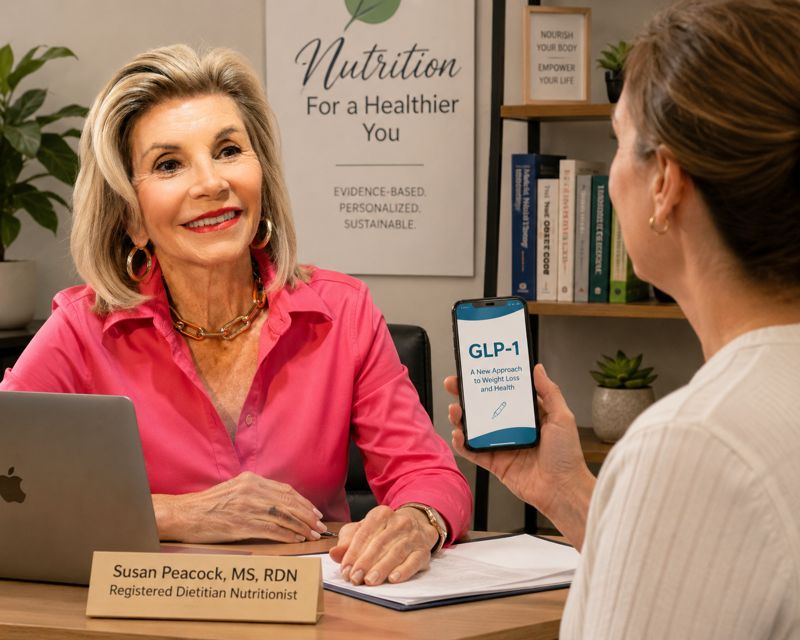
The Modern GLP-1 & GIP/GLP-1 Medication Guide: What Patients and Physicians Should Know in 2026

Picture of Susan Peacock

Susan Peacock

The New Era of Weight-Loss Medications: What Are GLP-1 and GIP/GLP-1 Medications?

If you’ve been hearing about “weight-loss shots,” “GLP-1 medications,” or medications like Ozempic®, Wegovy®, Mounjaro®, or Zepbound®, you are not alone.

These medications have changed the conversation around obesity, weight management, blood sugar control, and metabolic health. But with so much information online—and a lot of misinformation—it can feel confusing.

This guide explains these medications in plain language so you can better understand how they work, what they do, and why nutrition and lifestyle habits still matter.


First: Obesity Is a Chronic Disease, Not a Lack of Willpower

One of the biggest changes in modern medicine is understanding that obesity is not simply about “eating too much” or “not trying hard enough.”

Obesity is now recognized as a chronic metabolic disease involving:

  • Hormones
  • Appetite regulation
  • Insulin resistance
  • Brain signaling
  • Inflammation
  • Genetics
  • Sleep
  • Stress
  • Gut hormones

GLP-1 and GIP/GLP-1 medications help target some of these biological systems.

These medications are not “magic shots,” but they can be powerful tools when combined with:

  • Nutrition support
  • Adequate protein
  • Physical activity
  • Resistance training
  • Sleep
  • Stress management
  • Behavioral support

What Are GLP-1 and GIP Hormones?

Your body naturally makes hormones called incretins after you eat.

Two important incretin hormones are:

GLP-1 (Glucagon-Like Peptide-1)

GLP-1 helps:

  • Your pancreas release insulin when blood sugar is high
  • Slow stomach emptying
  • Reduce appetite
  • Increase fullness
  • Lower another hormone called glucagon that raises blood sugar

GIP (Glucose-Dependent Insulinotropic Polypeptide)

GIP also helps:

  • Stimulate insulin release after meals
  • Influence fat metabolism
  • Affect how your body stores and uses energy

In people with obesity, insulin resistance, or type 2 diabetes, these systems often do not function efficiently.


What Are GLP-1 Medications?

GLP-1 receptor agonists (GLP-1RAs) are medications designed to mimic the body’s natural GLP-1 hormone—but in a stronger and longer-lasting way.

Examples include:

  • Semaglutide (Ozempic®, Wegovy®)
  • Liraglutide (Saxenda®, Victoza®)
  • Dulaglutide (Trulicity®)
  • Oral semaglutide (Rybelsus®)

These medications help:

  • Improve blood sugar control
  • Reduce appetite
  • Slow digestion
  • Increase fullness
  • Support weight loss

You can think of GLP-1 medications as:

“Single-hormone metabolic medications.”

GIP/GLP-1 medications are newer medications that activate both hormone systems at the same time.

The most well-known example is:

  • Tirzepatide (Mounjaro®, Zepbound®)

These medications:

  • Do everything GLP-1 medications do
  • PLUS activate the GIP pathway for additional metabolic effects

In many studies, dual GIP/GLP-1 medications have produced substantially greater average weight loss and larger A1c reductions compared with several GLP-1-only medications.

You can think of these medications as:

“Two-hormone metabolic therapies.”


What About the Newer Medications Coming Soon?

The obesity medicine field is evolving rapidly.

Researchers are currently studying:

  • Triple agonists (medications targeting three hormone pathways)
  • New oral medications
  • Higher-dose formulations
  • Medications focused on muscle preservation and metabolic health

One investigational medication many providers are watching is retatrutide, which targets three hormone systems.

While exciting, these medications are still being studied and are not yet fully available for routine use.


What Benefits Do These Medications Offer?

Both GLP-1 and GIP/GLP-1 medications may help:

  • Lower blood sugar
  • Improve insulin resistance
  • Reduce appetite
  • Support meaningful weight loss
  • Improve metabolic health

Some medications in these categories have also shown benefits involving:

  • Cardiovascular disease risk reduction
  • Kidney protection
  • Sleep apnea improvement
  • Fatty liver disease improvement
  • Reduced inflammation markers

This is one reason these medications are becoming important tools beyond diabetes care.


What These Medications Do NOT Do:

One of the biggest misconceptions online is that these medications replace healthy habits.

They do not.

These medications:

  • Do NOT replace healthy nutrition
  • Do NOT automatically build muscle
  • Do NOT permanently “fix” metabolism
  • Do NOT eliminate emotional eating
  • Do NOT remove the need for movement or exercise
  • Do NOT guarantee long-term success without lifestyle support
  • Patients who do best long-term usually combine the medication with:
  • Adequate protein
  • Resistance training
  • Consistent eating patterns
  • Sleep optimization
  • Stress management
  • Nutrition counseling

Why Protein Matters So Much on GLP-1 Medications

One of the most important discussions happening right now in obesity medicine is muscle preservation.

When people lose weight quickly, they lose:

  • Fat
  • Water
  • Some muscle mass

The goal is to maximize fat loss while minimizing muscle loss.

Protein helps:

  • Preserve lean muscle
  • Maintain strength
  • Support metabolism
  • Improve fullness
  • Support recovery and healthy aging

Many experts now recommend higher protein intake during medically supervised weight loss.

Typical protein targets often fall around:

  • 1.2–1.6 g/kg/day

Individual needs vary depending on:

  • Age
  • Kidney function
  • Activity level
  • Medical conditions
  • Muscle mass goals

Why Resistance Training Is Essential

Exercise is important—but resistance training deserves special attention.

Resistance training tells your body:

“These muscles are important—please keep them.”

Without enough protein and resistance training, rapid weight loss may contribute to:

  • Muscle loss
  • Weakness
  • Fatigue
  • Reduced functional strength
  • Slower metabolism
  • Increased frailty risk in older adults

Examples of resistance exercise include:

  • Resistance bands
  • Body-weight exercises
  • Weight machines
  • Free weights
  • Pilates or strength-based classes

Always discuss exercise plans with your healthcare provider.


Common Nutrition Problems on GLP-1 and GIP/GLP-1 Medications

These medications can reduce appetite dramatically.

That may sound helpful, but it can sometimes create nutrition challenges.

Common issues include:

  • Nausea
  • Constipation
  • Dehydration
  • Inadequate protein intake
  • Fatigue
  • Skipping meals
  • Reflux
  • Hair thinning from undernutrition
  • Low fiber intake
  • Difficulty eating enough calories

Strategies that often help include:

  • Smaller meals
  • Eating slowly
  • Prioritizing protein first
  • Staying hydrated
  • Eating regularly even if not hungry
  • Choosing easy-to-digest foods during nausea
  • Adding resistance exercise

Common Side Effects

Most side effects are gastrointestinal.

These may include:

  • Nausea
  • Vomiting
  • Constipation
  • Diarrhea
  • Feeling full quickly
  • Bloating
  • Reflux

Symptoms often improve when:

  • Doses increase slowly
  • Meals are smaller
  • High-fat meals are limited
  • Patients eat more slowly

Serious Side Effects: What Patients Should Know

Although uncommon, serious side effects can occur.

Patients should contact their provider immediately if they experience:

  • Severe abdominal pain
  • Persistent vomiting
  • Yellowing of the skin or eyes
  • Trouble swallowing
  • Trouble breathing

Providers also monitor for:

  • Gallbladder disease
  • Pancreatitis
  • Severe dehydration
  • Nutritional deficiencies

Who May Need Extra Monitoring?

Some patients benefit from closer medical and nutrition follow-up.

This may include:

  • Older adults
  • Bariatric patients
  • Patients with kidney disease
  • Patients with liver disease
  • Patients with GI disorders
  • Patients with eating disorders
  • Patients at risk for frailty
  • Patients taking multiple diabetes medications

This is one reason a multidisciplinary team can be extremely valuable.


What About Compounded Medications?

As demand for these medications has increased, compounded versions have also become more common.

Patients should work with licensed healthcare professionals and reputable pharmacies whenever possible.

Compounded medications may vary in:

  • Quality
  • Concentration
  • Oversight
  • Consistency

Patients should discuss risks and benefits with their healthcare provider.


Will I Regain Weight If I Stop the Medication?

This is one of the most common questions patients ask.

Research shows many people regain some weight after stopping GLP-1 or GIP/GLP-1 medications.

Why?

Because obesity is a chronic disease involving biology, appetite signaling, and metabolism.

This does not mean patients “failed.”

It means long-term management strategies matter.

That is why:

  • Nutrition habits
  • Strength training
  • Sleep
  • Behavioral support
  • Sustainable routines

remain critically important.


Questions to Ask Your Healthcare Provider

If you are considering one of these medications, ask:

  • Am I a candidate for a GLP-1 or GIP/GLP-1 medication?
  • What results are realistic for me?
  • How can I reduce nausea or constipation?
  • How much protein should I eat?
  • How can I protect my muscle mass?
  • How long might I stay on this medication?
  • What happens if I stop?
  • How will this work with my exercise and nutrition plan?

Bottom Line

GLP-1 and GIP/GLP-1 medications are changing obesity and diabetes care.

These medications can:

  • Improve blood sugar
  • Support meaningful weight loss
  • Reduce appetite
  • Improve metabolic health

But they work best when combined with:

  • Nutrition support
  • Protein optimization
  • Resistance training
  • Hydration
  • Sleep
  • Behavioral and lifestyle support

The goal is not simply losing weight.

The goal is improving long-term metabolic health while preserving strength, muscle, and quality of life.

If you are considering one of these medications, talk with your healthcare provider and a registered dietitian experienced in obesity medicine and metabolic health.


WANT MORE SUPPORT?

Looking for more guidance while taking a GLP-1 or GIP/GLP-1 medication?

Download the free:

“GLP-1 Success Guide”

Includes:

  • Practical nutrition strategies
  • Protein guidance
  • Muscle-preservation tips
  • Side-effect support
  • Meal-planning ideas
  • Educational webinar information
  • Sustainable long-term strategies


Click Here for Free Handout

Susan Peacock, MS, RDN
Registered Dietitian Nutritionist

Website: Susanpeacockdietitian.com

Share this post

Facebook
Twitter
LinkedIn
Print
Email