


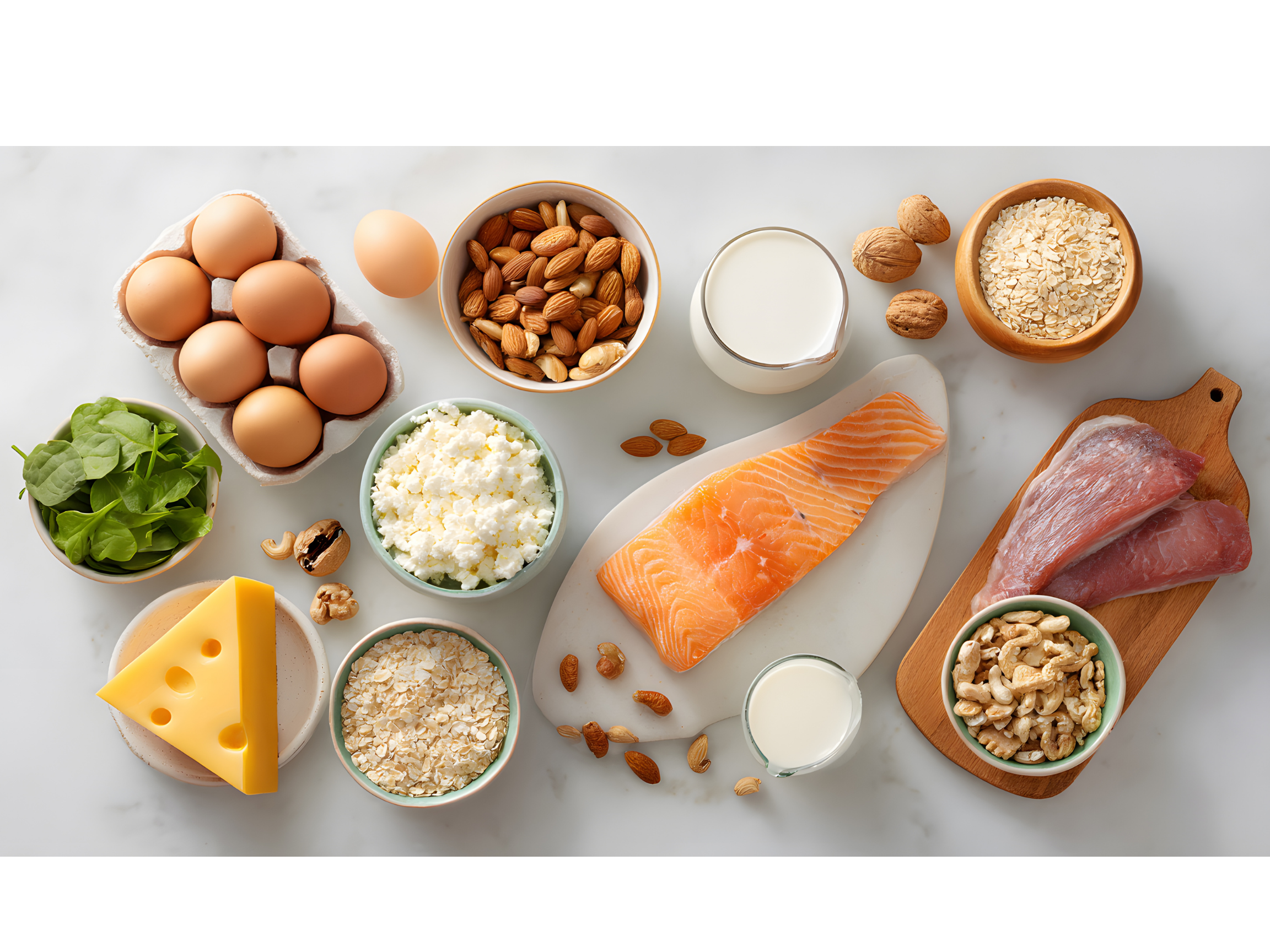
People using GLP-1 and GIP/GLP-1 medications can absolutely protect their muscles—but only if their protein and movement keep up with the speed of their weight loss.
A realistic goal for most adults on these drugs is a higher-than-usual protein intake (often 1.2–1.6 g/kg, and up to 2.0 g/kg in some very active or older adults) plus regular resistance exercise to slow lean-mass loss.
These medications lower appetite and help people eat less, which drives weight loss—but the body loses both fat and lean tissue along the way.
Meta-analyses and DXA sub-studies suggest that about 25% (and in some reports 15–40% or more) of total weight lost on GLP-1–based drugs can come from lean mass, especially if protein and strength training are not optimized.
This pattern is not unique to GLP-1s—any rapid weight loss does this—but the appetite suppression and lower energy intake can make it easier to under-eat protein, particularly in older adults or those with chronic illness.
Without enough protein plus muscle use (resistance training), the body will “recycle” muscle for other needs and downsize muscle mass and strength.
GLP-1 and GIP/GLP-1 therapies cause substantial total weight loss (often 15–25% with higher doses), and studies show fat is the main tissue lost, but lean mass decreases as well.
Systematic reviews and meta-analyses report that lean mass often represents about 25% of total weight loss, although some studies report a range from 15% up to 40–60%, depending on age, baseline health, the degree of energy restriction, and the drug used.
Despite absolute lean-mass losses, the percentage of lean mass as a share of body weight can stay stable or even rise, because fat mass falls more dramatically.
With chronic calorie deficit, the body adapts by shrinking both fat stores and muscle mass to match lower energy needs.
If dietary protein and mechanical loading (strength training) are inadequate, the body will break down more muscle to provide amino acids for enzymes, immune function, and other essential processes.
For older adults, this can accelerate sarcopenia, worsen balance, lower resting metabolic rate, and potentially increase falls and frailty.
“Weight loss from these medications is mostly fat—which is good—but unless you actively protect your muscles with enough protein and some strength work, your body will also trim muscle to match your new, smaller size.”
Most adults on weight-loss medications do best with more protein than usual.
A simple starting range is:
1.2–1.6 grams of protein per kilogram (weight in # divided by 2.2 = kg) of body weight per day
That’s about 0.55–0.73 grams per pound of body weight.
Check with the dietitian which number is right for you, especially if you have kidney or liver problems.
150-lb person (68 kg):
1.2–1.6 g/kg ≈ 80–110 g protein per day
If BMI ≥ 30. Male 66” 220-lb (100-kg) adult with obesity and resistance training 2–3x/week
1.4–1.8 g/kg Ideal Body Weight Used (e.g., 82 kg) ≈ 115–148 g/day
LEARN HOW TO CALCULATE EXACTLY HOW MUCH PROTEIN YOU NEED BASED ON YOUR SPECIFIC WEIGHT AND EXERCISE REGIME.
CLICK HERE FOR HANDOUT
Set a daily protein target
Use a simple round number based on your calculations: e.g., “aim for ~100 g per day.”
Distribute protein across meals and snacks
Aim for 20–35 g protein at 3 meals plus 1–2 protein-rich snacks (10–20 g each), spaced across the day to support muscle protein synthesis.
3 oz (deck of cards) chicken, turkey, lean beef, or fish: 20–25 g
(Every ounce of protein food is 7 grams of protein as a general rule.)
2 large eggs: 12–14 g
¾–1 cup Greek yogurt (non-fat or 2%): 15–20 g
1 cup cottage cheese: 24–28 g
½ cup cooked lentils or beans: 7–9 g
1 scoop whey or plant-based protein powder: 20–25 g
1 cup soy milk: 7–8 g
1 oz nuts or 2 Tbsp nut butter: 6–8 g
Breakfast:
¾ cup Greek yogurt + ¼ cup high-protein granola + berries ≈ 20 g
Lunch:
3 oz grilled chicken over salad with beans ≈ 30 g
Snack:
Protein shake with 1 scoop protein powder in soy or dairy milk ≈ 25 g
Dinner:
3 oz salmon + ½ cup lentils ≈ 25 g
Aim to spread protein across your day.
Goal: 20–30 g protein at each main meal, plus 1–2 high-protein snacks.
3 oz chicken, turkey, beef, pork, or fish ≈ 20–25 g
2 eggs ≈ 12–14 g
¾–1 cup Greek yogurt ≈ 15–20 g
1 cup cottage cheese ≈ 24–28 g
½ cup beans or lentils ≈ 7–9 g
1 scoop protein powder ≈ 20–25 g
Greek yogurt + fruit + nuts
Scrambled eggs with a sprinkle of cheese
Protein shake made with milk or soy milk
Cottage cheese with berries or tomatoes
Beans or lentils added to soups, salads, or bowls
Eat smaller meals more often instead of 3 big meals.
Choose soft, easy-to-eat proteins (yogurt, smoothies, eggs, tofu).
Take small bites and eat slowly—stop when you’re comfortably full.
Use protein drinks if solid food is hard to tolerate, especially during dose changes (check labels and added sugars).
LEARN HOW TO CALCULATE EXACTLY HOW MUCH PROTEIN YOU NEED BASED ON YOUR SPECIFIC WEIGHT AND EXERCISE REGIME.
CLICK HERE FOR HANDOUT